America 250 Is Coming

America 250 Is Coming. Most Kids Will Miss It Unless We Do Something About That.
In July 2026, the United States will mark a once-in-a-generation milestone: 250 years since the signing of the Declaration of Independence.
It’s being called America 250 (or, if you prefer the formal name, the Semiquincentennial). There will be parades, exhibits, museum programs, and national events.
But there’s an uncomfortable truth hiding in plain sight:
Most American kids will be on summer break.
Which means that unless families do something intentional, many children will barely notice the most important anniversary in their country’s history.
That should bother us.
Not because children need more schoolwork—but because this is a rare chance to help them understand where they come from and why it matters.
What Is America 250?
America 250 marks the 250th anniversary of the Declaration of Independence, adopted on July 4, 1776.
In 2026, communities across the country will commemorate this moment with historical programs, public events, and educational initiatives. The official national effort is being coordinated through america250.org, with many education-centered projects also emerging through groups like freedom250.org.
This isn’t just a birthday party. It’s meant to be a national moment of reflection:
Who are we? How did we get here? And what are we responsible for passing on?
The Problem No One Is Talking About
Because the anniversary happens in July, schools won’t be driving the conversation.
Which means the meaning of America 250 will be shaped almost entirely at home—or not at all.
If families don’t mark it, most kids will experience it the same way they experience most national holidays: fireworks, a day off, and then moving on.
That’s a missed opportunity.
You Don’t Need a Curriculum. You Need Stories.
Kids don’t fall in love with timelines.
They fall in love with people.
They remember:
- Brave choices
- Risky decisions
- Ordinary people in extraordinary moments
That’s why story-based resources work so well—whether it’s biographies, historical fiction, or primary-source-style letters.
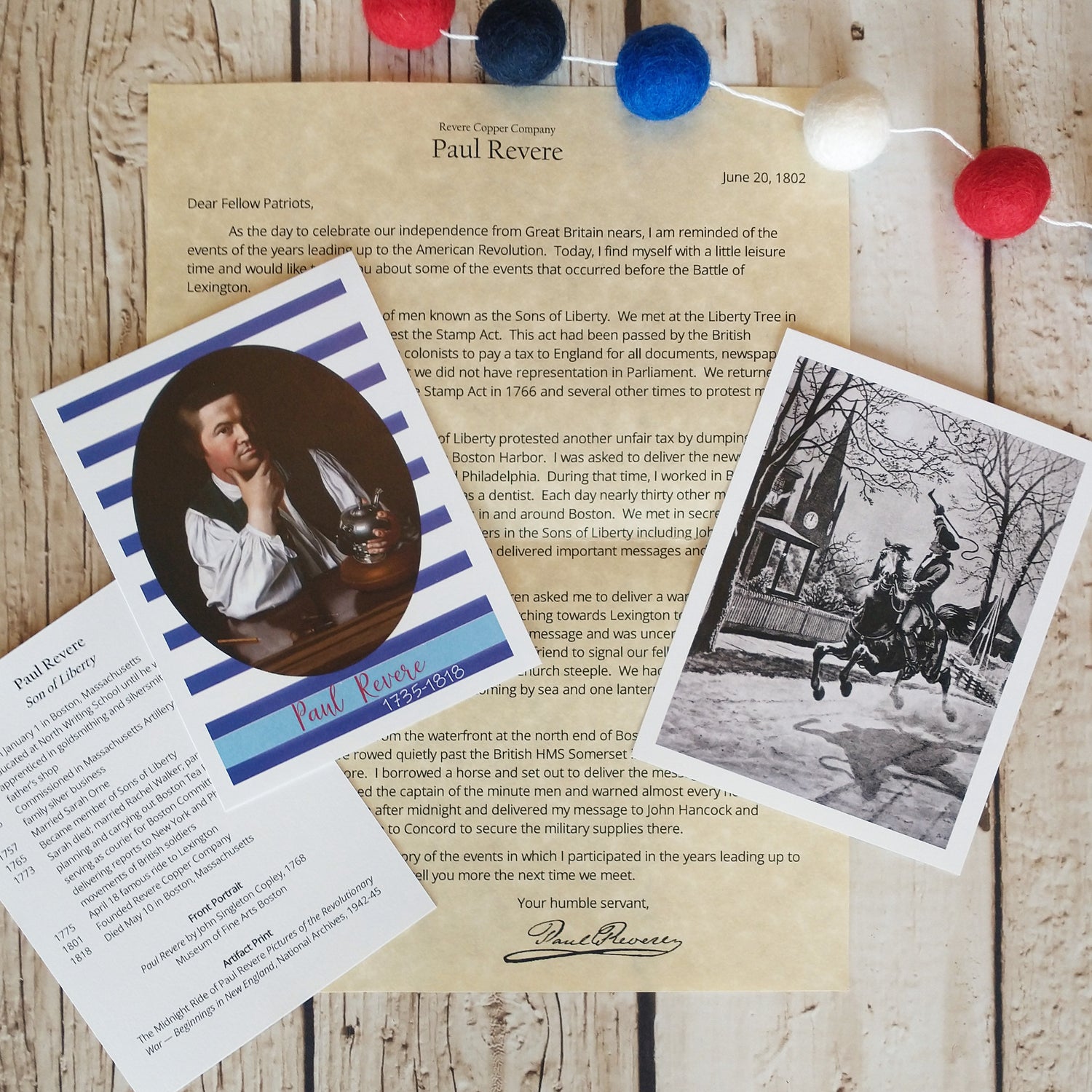
For example, projects like the American Patriots Collection from Heritage Letter introduce children to U.S. history through first-person narrative letters written from the perspectives of historical figures. The difference in engagement compared to textbooks is night and day.
History becomes human.
Simple Ways Families Can Actually Celebrate America 250
You don’t need a trip to Washington DC or Philadelphia or a color-coded lesson plan.
A few ideas that work:
- Read one founding-era story each week
- Let each child “adopt” a historical figure to learn about
- Visit local historical sites
- Watch a documentary and talk about it
- Write letters “from” or “to” the past
- Build a simple timeline on a wall or poster board
The goal isn’t to cover everything.
The goal is to make it meaningful.
This Is a Once-in-a-Lifetime Moment
Your children and grandchildren will never see another 250th anniversary of the United States.
This is it.
And moments like this shape how people relate to their country—not through slogans, but through understanding.
If we want the next generation to value freedom, they need to know:
- What it cost
- Who risked everything
- Why it was never guaranteed
America 250 Isn’t About 1776. It’s About 2026—and Who We’re Raising.
The best celebrations won’t be rushed in July 2026.
They’ll be built slowly:
- Through stories
- Through conversations
- Through shared moments
America 250 is a rare invitation to do something quiet but powerful:
Let's pass the story on to a new generation of American Patriots.